

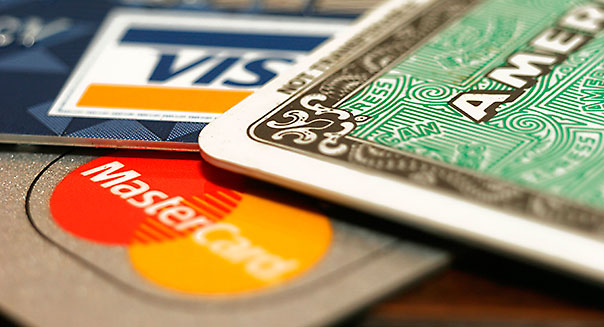
Credit cards giveth, and credit cards taketh away. Or something like that. Credit cards can be an invaluable tool for building your credit score and reaping those sweet, sweet rewards points. But if you fall into a few common traps, those same credit cards that were getting you a free first class flight can also give you a free first class trip to debt hell. And no one likes debt hell.
This post is for those of you considering getting your first credit card, or perhaps your 12th (guilty). Below I’ll outline some of the basic good habits to use with credit, and some of the pitfalls to avoid.
Do! Pay of your balance in full
The best way to build credit and stay debt free, no matter what you might hear about the “benefits” of carrying a balance (there aren’t any), is to pay off your balance in full each month. In order to do this, make sure you are not making any purchases on your card that you cannot pay off immediately in cash. At the end of your billing period, you will be presented with your statement balance which is the amount that needs to be paid off in this period. PLEASE pay the full amount to avoid being subject to interest charges or late fees.
Don’t! Think carrying a small balance is good for your credit
There is a common myth that carrying a small balance from month to month is good for your credit score. There is no truth to this. I’m fairly certain this is a lie perpetuated by the credit card industry to sucker people into paying interest on small balances with the idea that it’s the cost of admission to a good credit score. It’s OK to have a balance when your statement is due, but as mentioned above, be sure to pay it off in full before the due date.
Do! Watch your total utilization and occasionally ask for a limit increase
One factor that influences your credit score is what is called your utilization percentage. In other terms, this is the total amount you have outstanding on your credit cards divided by the total amount of credit you have available to you. The higher this percentage is, the more harm it is doing to your credit score. Therefore, if you have a credit card with a $2,000 limit and are constantly carrying close to your max balance at the end of the month, you will see this negatively affect your credit score due to a high utilization rate. If you are readily able to pay off the money you spend on your card but find yourself always bumping up against your credit limit, it’s probably a good idea to see if you can get a credit limit increase.
Don’t! Keep applying for cards if you are getting denied
Another influence on your credit score is the total number of inquiries you have into your credit history. Otherwise known as “hard pulls”, every time you submit an application for a new line of credit, the bank you are applying to will run a check on your credit history. If you have a high number of inquiries on your credit report, your score will be negatively influenced. So if you happen to apply for a card and get denied, do not go back and apply for the same or a similar card the next day. You won’t get approved and you’ll continue to rack up the inquiries which will make every subsequent application more difficult to get approved.
Do you have any other guidelines you use when it comes to your credit cards? Leave them in the comments below!

 Millennial Finance Basics